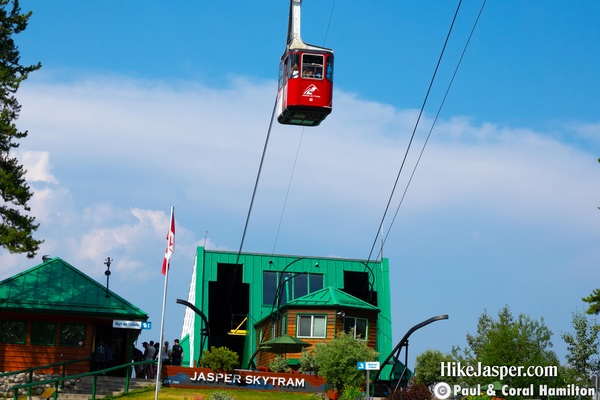
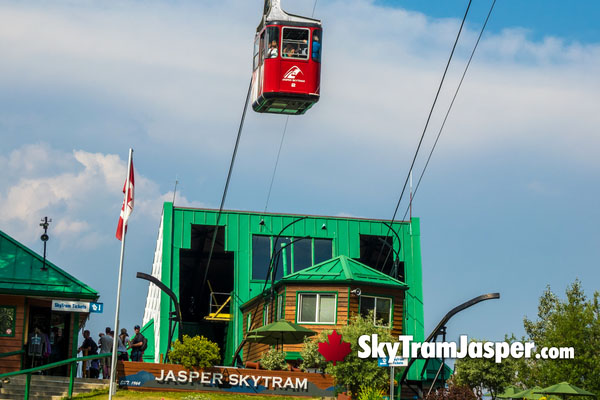
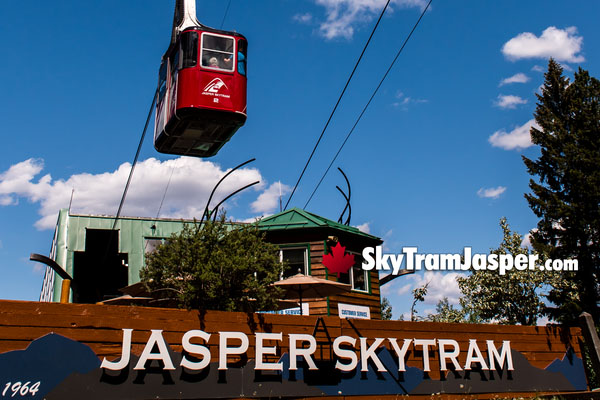
Whistlers Skytram is 7 kilometres (4.3 mi) south of Jasper, off the Icefields Parkway on Whistlers Road. Jasper's Skytram is seasonally operated, running from late March to the end of October.
Book Whistlers Mountain Skytram TicketsJasper SkyTram Home
02
Book Jasper
Book Jasper National Park Adventures and Attractions. Jasper National Park, located in the province of Alberta, Canada, is one of the largest and most northerly of the Rocky Mountain national parks, offering a sublime expanse of untamed wilderness for visitors to explore.
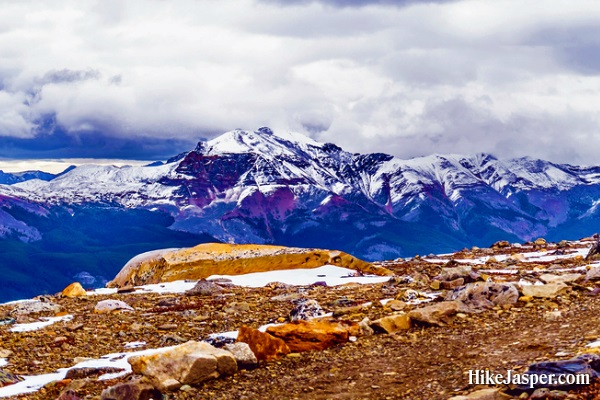
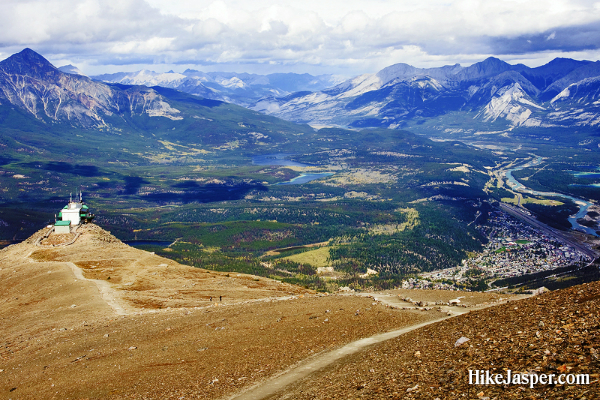
Near Whistlers summit, the hiking trail is quite steep. Whistlers has an outstanding panorama above the skytram terminal. Mount Robson can be seen on a clear day, which is over 100km away. Book Whistlers Skytram TicketsJasper SkyTram Home
Jasper Skytram Tickets
Whistlers Skytram is 7 kilometres (4.3 mi) south of Jasper, off the Icefields Parkway on Whistlers Road.
Canadian Rockies Experience Provided by Pursuit
Jasper SkyTram operates from late March through to the end of October.
Jasper SkyTram Flight Tickets
Ride the longest and highest guided aerial tramway in Canada's Rockies.
Gain a new perspective on Jasper's UNESCO Canadian Rockies World Heritage Site.
Explore Whistlers mountain alpine tundra and view a wide array of Jasper Wildlife.
Rent snowshoes at the upper Whistlers skytram station in the early season.
Hike Whistlers 1.4 km Summit Trail to the Mountain peak.
Enjoy a meal at the top of the Canadian Rockies in the Summit Restaurant.
Jasper SkyTram Facts
When was the Jasper Skytram Built?
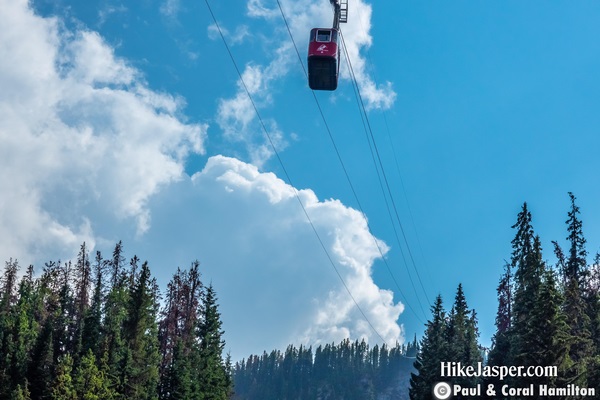
Built by P.H.B. Co. from Germany, the Jasper Skytram was completed in 1964. Jasper's SkyTram travels at speeds of up to 6 metres per second and takes just 7 minutes to climb to the upper Whistler's Mountain station at an elevation of 2,263 metres. The Skytram upper station is just below the summit of Whistlers Mountain, which is 2,463 metres.
What Cables Support and Pull the Skytram?
There are 2 cables that support and pull the Skytram. A track rope cable (46 mm in diameter) on which the tram car rides and a smaller cable known as the hauling rope (27 mm in diameter), which pulls the tram up the mountain.
How Big are the Skytram Cabins?
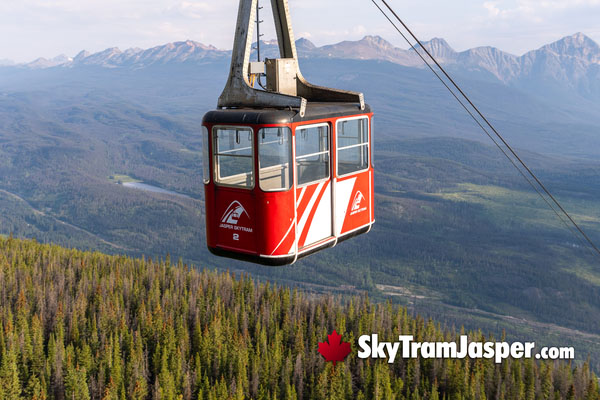
Each Skytram Cabin measures 183 cm x 330 cm x 231 cm. The cabins have a capacity for 26 people plus one flight attendant.
Book Whistlers Mountain Skytram
Whistlers Mountain Hike
A few minutes from Jasper, Alberta in Jasper National Park.
Whistlers Mountain Hike is a great physical test with interesting habitats, great panoramas, and you just might meet a Marmot! We would suggest going one way, and riding the SkyTram the other way.
Whistlers Mountain Elevation Gain: 1200m Hiking Distance: 6.8km to Whistlers Mountain summit. Hiking Time: Anywhere from 3 to 6 hours to climb Whistlers mountain.
Getting to Whistlers Mountain
You can see Whistlers mountain from Jasper, but to get to the hiking trailhead, go south from the west traffic lights at the Highway 16 junction, on the Icefields Parkway 1.8km. Turn west (right) onto Whistlers Road, following it for 2.7km. You will have to turn left just after the Whistlers Hostel sign before the hostel. The second road up, the main one, takes you .3km to the hiking trailhead.
The Whistlers Mountain Hike
Whistlers mountain hiking trail sign is at the west end of the parking lot. You will start hiking by entering a narrow path surrounded by dense bush.
Start climbing steeply towards whistlers boulder slide, where the hiking path descends a bit. You will hike, climbing, and at level grades at times passing beneath and then west of Jasper skytram initially. The hiking trail switches back and forth as the grade gets steeper.
Near Whistlers summit, the hiking trail gets very steep. Above the skytram terminal leads to an outstanding panorama. You can even see Mount Robson on a clear day from here, which is over 100km away.
Book Whistlers Mountain Skytram
Jasper SkyTram Operating Hours
Canada's Highest and Longest Guided Aerial Tramway up Whistlers Mountain.
Jasper SkyTram Operating Hours
The Jasper SkyTram is the longest and highest guided aerial tramway in Canada, offering stunning panoramic views of Jasper National Park. Jasper's SkyTram takes visitors from the lower station (1,258 m / 4,127 ft) up to the upper station near the summit of Whistlers Mountain (2,263 m / 7,425 ft) in about 7 minutes.
Jasper SkyTram Operating Hours
The Jasper SkyTram is scheduled to open for the 2026 season in March, 2026.
Operating Hour Notes
Please note that the last tramcar down departs one hour after the final ascent. For example, if the last ride up is at 6:00 PM, the last ride down will be at 7:00 PM.Book the Jasper SkyTram*Purchasing Jasper SkyTram Tickets in Advance is Recommended. Booking Jasper's SkyTram includes All taxes, fees and handling charges.
Dining Options at the Jasper SkyTram
Summit Cafe: Located at the upper station, offering full-service dining with panoramic mountain views. Operating hours are subject to change. Basecamp Cafe: Situated at the lower SkyTram station, serving light snacks, drinks, and ice cream. Open from 8:00 AM to 4:00 PM.Book the Jasper SkyTram*Purchasing Jasper SkyTram Tickets in Advance is Recommended. Booking Jasper's SkyTram includes All taxes, fees and handling charges.
Jasper SkyTram Up Whistlers Mountain
The Jasper SkyTram offers visitors an unforgettable journey to Whistlers Mountain Summit.
Jasper SkyTram Up Whistlers Mountain
About Whistlers Mountain
Elevation: At 2,463 meters (8,080 feet), Whistlers Mountain is one of the higher peaks in the Jasper area, offering stunning panoramic views of the surrounding landscape. Name Origin: The mountain's name comes from the whistling sounds made by the hoary marmots that live there, especially noticeable in the early summer when the marmots are active. Geography: Whistlers Mountain offers impressive views of the Athabasca Valley, the Jasper townsite, and distant peaks like Mount Edith Cavell and Mount Columbia.
Jasper SkyTram's Ascent
The Jasper SkyTram ascends from the lower station (1,258 meters / 4,127 feet) up to the upper station (2,263 meters / 7,425 feet), which is just below the summit of Whistlers Mountain. The tram takes about 7 minutes for the ascent and offers breathtaking views as you travel.
Whistlers Mountain Summit via Jasper SkyTram
Once you reach the Jasper SkyTram upper station, visitors can either enjoy the views from the viewing platform or hike to the true summit of Whistlers Mountain. Whistlers Mountain summit hike is a 1.4 km (0.9 mi) trail with a 200-meter (656-foot) elevation gain and takes around 30-45 minutes to complete. The hiking trail is relatively easy, offering visitors the opportunity to experience alpine terrain and wildlife along the way.
Jasper SkyTram and Whistler Mountain Views
The panoramic vistas from the upper station and summit are ideal for photography, with dramatic mountain ranges, valleys, and glacial-fed lakes. Sunrise and sunset hours provide excellent light conditions for capturing the mountain landscape.
Visiting the Jasper SkyTram
Summer (June - September): Ideal for hiking, wildlife viewing, and enjoying clear skies. The tram operates daily during these months. Fall (September - October): The fall season brings stunning autumn colors, particularly around larch trees. Winter (November - March): Snow transforms Whistlers Mountain into a winter wonderland, though the SkyTram typically operates only from March to October.
Book the Jasper SkyTram
*Purchasing Jasper SkyTram Tickets in Advance is Recommended. Booking Jasper's SkyTram includes All taxes, fees and handling charges.
Jasper SkyTram Star Sessions atop Whistlers Mountain
Jasper SkyTram Star Sessions offer a unique opportunity to experience dining and stargazing atop Whistlers Mountain.
Jasper SkyTram Star Sessions atop Whistlers Mountain
Jasper SkyTram's Star Sessions offer the unique opportunity to experience dining and stargazing atop Whistlers Mountain, guided by experts from the Jasper Planetarium. Star Sessions are held on select nights during the fall months, providing an immersive experience under some of the darkest skies in Canada.
Jasper SkyTram Star Sessions and at Whistlers Mountain Summit
Planetarium Dome Experience: Begin with a virtual orientation of the night sky in an inflatable planetarium, learning about constellations, planets, and galaxies. SkyTram Flight: Embark on a return flight to the upper station, elevating you nearly 1 km closer to the stars. Stargazing with Telescopes: Utilize powerful telescopes to observe celestial wonders, with guidance from astronomy experts. Jasper SkyTram Star Sessions Dining Options: Choose between an early or late dinner, featuring a three-course meal with options like grilled chicken wraps, paninis, burgers, and poutine. Desserts include New York cheesecake and triple chunk brownies. Please note that the cafe is situated on the second floor, accessible only by stairs, and is not wheelchair accessible. Additionally, while the Jasper SkyTram is dog-friendly, pets are not permitted inside the cafe area.
Jasper SkyTram Star Sessions Event Dates
September: Saturdays October: Fridays and Saturdays
Jasper SkyTram Star Session Booking Information
Adult (16+): Includes return SkyTram flight, dinner, and stargazing experience. Youth (6-15): Includes return SkyTram flight, dinner, and stargazing experience. Child (5 and under): Includes return SkyTram flight and stargazing experience; dinner is paid separately.
Operating hours and event dates are subject to change.
For a memorable evening under the stars, the Star Sessions at the Jasper SkyTram provide a perfect blend of astronomy, dining, and breathtaking mountain views.
Book the Jasper Skytram*Purchasing Jasper SkyTram Tickets in Advance is Recommended.
Wildlife Near Whistlers Mountain
Whistlers Mountain is particularly valuable for wildlife viewing because it provides easy access to an ecosystem that normally requires a substantial mountain hike to reach. Instead of being dominated by Jasper's famous elk, bears and deer, the upper mountain introduces visitors to a specialized alpine community of hoary marmots, pikas, Columbian ground squirrels, white-tailed ptarmigan and occasional mountain goats. The fact that the mountain itself was named for the whistling call of its marmots makes wildlife an important part of the identity of The Whistlers.
Wildlife You might Encounter near Whistlers Mountain
Wildlife Near Whistlers Mountain
Whistlers Mountain is one of Jasper National Park's most interesting places for alpine wildlife. Rising from the forested Athabasca Valley into exposed alpine tundra, the mountain supports different species at different elevations. Hoary marmots, American pikas, Columbian ground squirrels and white-tailed ptarmigan are particularly characteristic of the upper mountain, while mountain goats occasionally use the rocky slopes. Larger mammals inhabit the surrounding forests and valleys.
Hoary Marmots
Hoary marmots are the signature animals of Whistlers Mountain. In fact, The Whistlers takes its name from the loud whistling alarm call made by these large alpine rodents. Marmots live in colonies among rocky slopes and alpine meadows, where they feed intensively during the short summer before spending much of the year hibernating. Parks Canada specifically identifies The Whistlers as a good location for seeing them.
American Pikas
American pikas are another characteristic resident of Whistlers Mountain's alpine zone. These tiny relatives of rabbits live among talus, boulders and rocky slopes. They are often easier to hear than see because of their distinctive high-pitched calls. During summer, pikas gather grasses and alpine plants and store them among the rocks as food for winter.
Columbian Ground Squirrels
Columbian ground squirrels are common summer residents of Jasper National Park and occur from the valley bottoms into the alpine. On Whistlers Mountain, they may be encountered around grassy openings and alpine vegetation. They spend the short summer feeding and raising their young before returning underground for a lengthy period of hibernation.
White-Tailed Ptarmigan
White-tailed ptarmigan are among the most specialized birds found on Whistlers Mountain. They live in the alpine throughout the year and change plumage with the seasons, becoming almost completely white during winter. Their camouflage can make them surprisingly difficult to notice even when they are relatively close to a trail.
Mountain Goats
Mountain goats inhabit some of the steep, rocky terrain around Whistlers Mountain and the neighbouring Trident Range. They favour cliffs, ledges and rugged slopes that provide escape terrain from predators. Visitors occasionally see goats around the upper mountain, although they are considerably less predictable than marmots, pikas or ground squirrels.
Bighorn Sheep
Bighorn sheep occur throughout Jasper National Park and may occasionally use open mountain slopes in the broader Whistlers Mountain region. However, they are not as strongly associated with the SkyTram summit area as marmots, pikas and mountain goats. Other parts of Jasper, particularly areas along the Icefields Parkway and eastern portions of the park, generally provide more consistent sheep-viewing opportunities.
Grizzly Bears
Grizzly bears inhabit the greater Whistlers Mountain landscape. Forests and mountain slopes at lower elevations provide seasonal feeding and travelling habitat, particularly away from heavily developed areas. Bears are generally much less likely around the busy upper SkyTram facilities than in quieter portions of the surrounding wilderness.
Black Bears
Black bears may occur around the forested lower slopes of Whistlers Mountain and the surrounding Athabasca Valley. Spring and early summer are particularly important periods for bears in Jasper's valley bottoms because newly emerging vegetation provides valuable food.
Elk
Elk are much more characteristic of the Athabasca Valley below Whistlers Mountain than of the exposed alpine summit. Open meadows, forest edges and valley-bottom vegetation around Jasper provide considerably better elk habitat. Visitors travelling to Whistlers Mountain may therefore encounter elk before they ever begin climbing the mountain.
Mule Deer
Mule deer inhabit the lower forests and mountain slopes around Whistlers Mountain. They can occasionally move surprisingly high into the mountains during summer, although they remain much more characteristic of lower elevations than the rocky alpine summit.
White-Tailed Deer
White-tailed deer occur within the greater Jasper valley ecosystem. They generally favour productive lower-elevation forests, openings and river valleys and are therefore much more likely around the base of the mountain and surrounding Athabasca Valley than near the summit.
Moose
Moose inhabit Jasper National Park but are much more closely associated with wetlands, willow thickets, lakeshores and productive valley bottoms than Whistlers Mountain's exposed alpine environment. A moose sighting would therefore be more likely somewhere in the surrounding valley than near the SkyTram summit.
Wolves
Wolves inhabit the greater Jasper ecosystem and can travel enormous distances through forests, valleys and mountain passes. Parks Canada identifies the Whistlers Mountain area as an important wildlife corridor. Despite this ecological importance, seeing a wolf near the developed portions of Whistlers Mountain would be uncommon.
Coyotes
Coyotes occur throughout Jasper's valleys and mountain environments. They are adaptable predators that feed on rodents, hares and other small animals. They are more likely around the lower slopes and valley environments surrounding Whistlers Mountain than in the exposed alpine terrain near the summit.
Cougars
Cougars inhabit Jasper National Park's forested mountain landscape. The forests around the lower portions of Whistlers Mountain provide potential habitat and access to prey such as deer. However, cougars are highly secretive, and an actual sighting would be rare.
Canada Lynx
Canada lynx are another elusive predator found within Jasper's forest ecosystem. They are closely associated with forest habitat and snowshoe hares, one of their principal prey species. They should be considered part of the broader Whistlers Mountain ecosystem rather than an animal visitors are likely to see near the SkyTram.
Wolverines
Wolverines inhabit enormous territories within the Canadian Rockies and favour remote mountain wilderness. They occur within the broader Jasper ecosystem but are among the least likely mammals for a visitor to encounter. Their presence illustrates how the mountains surrounding Whistlers remain connected to a much larger wilderness landscape.
Snowshoe Hares
Snowshoe hares inhabit forested portions of Jasper National Park, including suitable habitat around the lower mountain. Their coats change seasonally, becoming brown during summer and predominantly white during winter. They are an important prey species for lynx, coyotes and other predators.
Golden Eagles
Golden eagles may occasionally be observed soaring above Whistlers Mountain and the surrounding ranges. The broad alpine slopes and powerful mountain air currents provide excellent conditions for large raptors. Watching the sky and distant ridgelines can sometimes be as rewarding as searching the ground for wildlife.
Ravens
Common ravens are well suited to Jasper's mountain environment and may be seen around the upper mountain throughout the visitor season. Their large size and ability to soar effortlessly make them conspicuous against the open alpine landscape.
Wildlife Around the Jasper SkyTram Upper Station
The Upper Station provides exceptionally easy access to genuine alpine habitat. Hoary marmots, pikas, Columbian ground squirrels and white-tailed ptarmigan are the main animals worth watching for. Mountain goats are a less frequent but particularly memorable possibility.
Wildlife Along the Whistlers Summit Trail
Walking beyond the Upper Station toward the summit provides more opportunities to explore alpine habitat. Rocky slopes, talus and patches of alpine vegetation are particularly suitable for marmots and pikas, while ptarmigan can blend almost invisibly into the surrounding terrain. Visitors should stay on established trails because Jasper's alpine vegetation is exceptionally fragile.
Wildlife Near the Summit
Near the summit, conditions become increasingly exposed and treeless. This is not prime habitat for animals such as elk, deer or moose. Instead, wildlife is dominated by species specifically adapted to cold, wind, snow and rocky terrain. Marmots, pikas and ptarmigan therefore provide a much better representation of Whistlers Mountain's summit wildlife.
Wildlife Around Indian Ridge
Indian Ridge extends into rugged alpine terrain beyond the main Whistlers summit area. Its cliffs and rocky slopes provide the type of escape terrain favoured by mountain goats. Visitors viewing the ridge from a distance can scan cliffs and ledges carefully for white animals standing against the darker rock.
Wildlife on the Lower Slopes
The lower slopes provide a completely different ecosystem. Coniferous forests and connections with the Athabasca Valley support deer, bears, squirrels, hares and numerous forest birds. Larger carnivores can also move through the broader landscape, although encounters close to busy visitor facilities remain unpredictable.
Wildlife During the Jasper SkyTram Ride
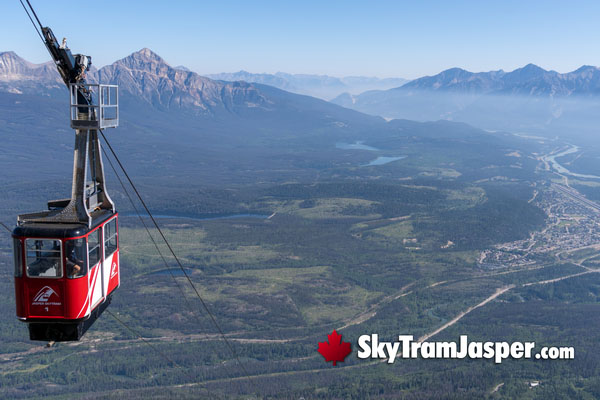
The SkyTram offers an unusual opportunity to watch the landscape change from forest to alpine terrain within minutes. Looking downward during the ride can reveal forest openings and mountain slopes, while the greatest opportunities for seeing characteristic alpine wildlife begin after reaching the Upper Station.
Best Time to See Wildlife on Whistlers Mountain
Summer is particularly rewarding for small alpine mammals. Marmots and Columbian ground squirrels have relatively short active seasons because they spend much of the year hibernating. Pikas remain active through winter rather than hibernating, while white-tailed ptarmigan are year-round alpine residents.
Wildlife Safety on Whistlers Mountain
Wildlife should never be approached, touched or fed, including apparently harmless marmots and ground squirrels. Animals that become accustomed to receiving human food can develop problematic behaviour. Visitors should also remain on established trails to avoid damaging the extremely fragile alpine vegetation and habitat.
Why Whistlers Mountain Is Special for Wildlife
Whistlers Mountain is particularly valuable for wildlife viewing because it provides easy access to an ecosystem that normally requires a substantial mountain hike to reach. Instead of being dominated by Jasper's famous elk, bears and deer, the upper mountain introduces visitors to a specialized alpine community of hoary marmots, pikas, Columbian ground squirrels, white-tailed ptarmigan and occasional mountain goats. The fact that the mountain itself was named for the whistling call of its marmots makes wildlife an important part of the identity of The Whistlers.
Jasper Skytram Reviews
Gorgeous 360° view of Jasper National ParkJulius Jacob
I feel like such a cheater using the SkyTram to skip hiking majority of this mountain. SkyTram employee said it takes 30 minutes to reach the peak from the SkyTram, I made it in 15. It's a moderate hike where it's steep with loose rocks in a couple areas but nothing crazy. Children and the elderly make it to the top with no problems. Such a lovely, serene, peaceful place at the top with a gorgeous 360° view of Jasper National Park. I got caught in a thunderstorm which made it extra exciting and got the adrenaline pumping!
Amazing views of the surrounding mountains.Michael
Amazing views of the surrounding mountains. From here you also have access to other hikes such as Indian Ridge which is well worth the trip. To get here you can hike which takes about 2-3 hours from the trail head or from the skytram leaving only a shirt 20 minute hike to the summit. If you hike from the bottom ensure you bring bear spray and also have with you warm clothing and a wind breaker for the summit can get windy and cold. In the summer all the snow melts, winter and shoulder season the is snow.
Well worth the hike from the SkytramGhazanfar Abidi
Gorgeous view. Well worth the hike from the Skytram. Cold and windy regardless of temperature in the parking lot, so bring your jacket.
Stunning views at an elevation of 2470mMarie
I took the Skytram and after hiked to reach the summit. Stunning views at an elevation of 2470m!
 Whistlers Mountain


 Gorgeous 360° view of Jasper National Park
Julius Jacob
Gorgeous 360° view of Jasper National Park
Julius Jacob